$20.00
We will hold your cart for 15:00.
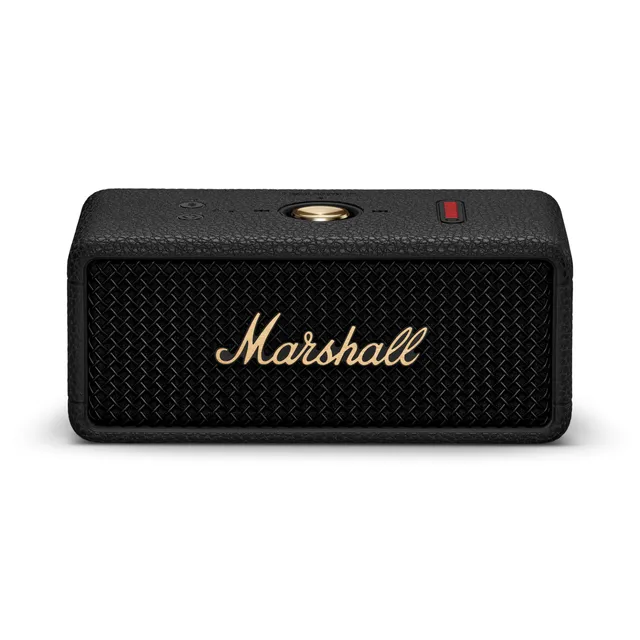
Every portable speaker shopper eventually hits the same fork in the road. On one side sits the premium option — in 2026, that usually means Marshall, with its amp-inspired styling, 360° True Stereophonic sound, and prices in the $190–$270 range. On the other side is the value play, and few brands do it as aggressively as Tribit, which sells feature-packed portables for a fraction of that.
The honest question isn't "which brand is better." It's this: what does the price gap actually buy you, and when does it not? We've spent time with Marshall's latest portable, the Emberton III, alongside Tribit's StormBox and XSound lines, and this guide breaks down exactly where the premium dollar pays off — and where it doesn't.
To keep this fair, we're comparing speakers in the same compact portable class — things you can toss in a backpack, take to the beach, or move from kitchen to patio.
That gives us a $48 to $263 spread — close to a 5x price range — which is exactly the kind of gap that makes shoppers second-guess themselves.
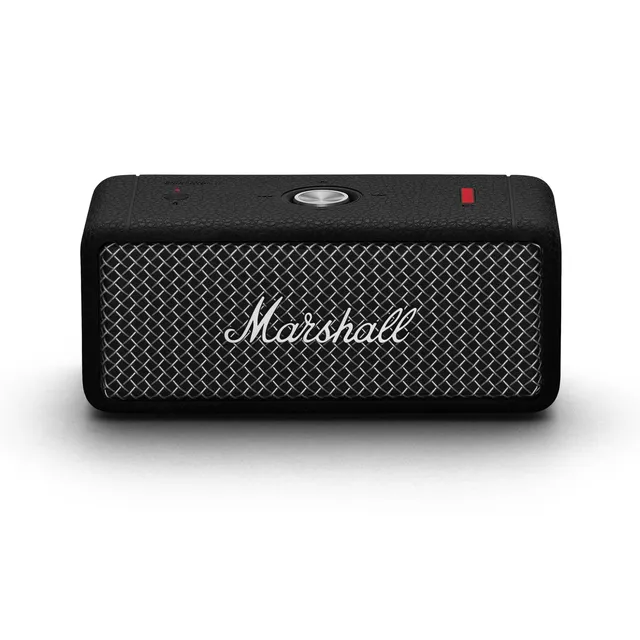
Let's start with the category where Marshall genuinely earns its keep. The Emberton III uses True Stereophonic 360° sound — meaning it projects true stereo separation outward in every direction, not just a mono-ish blast from one face. Pair that with Dynamic Loudness, which adjusts tonal balance as you change volume, and the speaker stays coherent at both whisper level and backyard-party level. Small details, big real-world difference: most budget speakers thin out badly at low volume; the Emberton III doesn't.
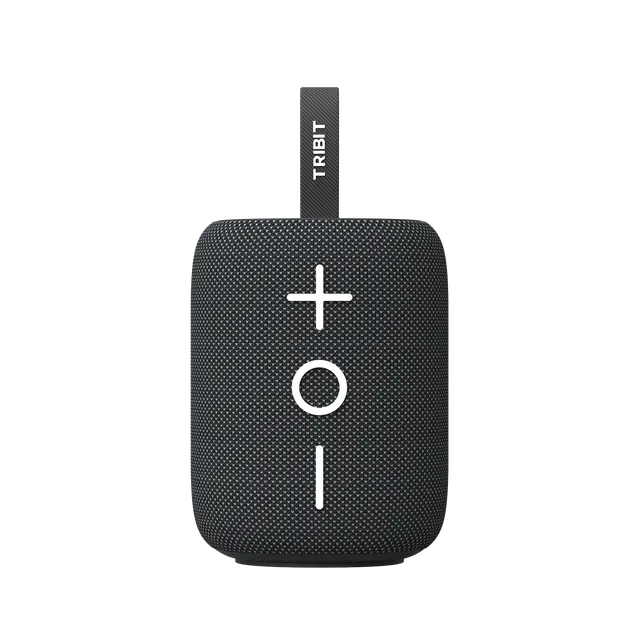
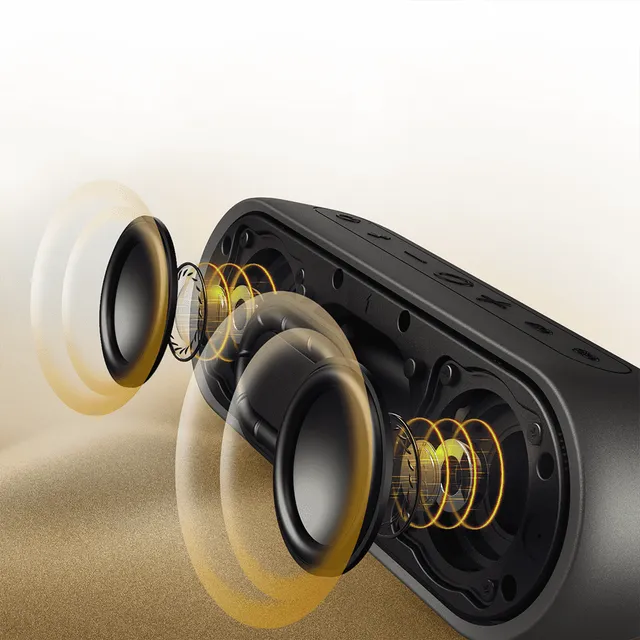
The StormBox Mini+ plays a different game. Its XBass processing squeezes surprising low-end out of dual 48mm drivers — genuinely impressive at $47.99 — but it's a forward-facing, single-listener presentation. Walk behind it and the sound flattens. For a desk, a bedside table, or a shower shelf, that's a non-issue. For a gathering where people surround the speaker, it's noticeable.
The XSound Plus narrows the gap further. At $107.99 it fills a mid-size room credibly and handles outdoor use well, but it still can't match the Emberton III's 360° imaging or its composure at volume extremes.
Verdict: If sound quality is your number one criterion, the premium option wins and it isn't close. If "good enough for podcasts and playlists" is the bar, Tribit clears it comfortably for a quarter of the money.
Here's the part most premium-vs-value comparisons skip: the cheap speaker often matches the expensive one on paper specs.
The real durability differentiator is IP67 vs lesser ratings. IP67 means full dust protection plus survival in water immersion — genuinely beach-proof, sand-proof, poolside-proof. If your speaker lives outdoors or travels, that rating alone is a legitimate reason to lean Marshall. If it lives on a kitchen counter, an indoor-adequate speaker is fine.
Let's be blunt about something: part of the Marshall premium is the object itself. The brass fret, the textured vinyl, the classic script logo — the Emberton III looks like a tiny guitar amp, because that's the heritage it borrows. It sits on a shelf as a design object when it's not playing. That's not a gimmick; it's a real part of what $211 buys.
Tribit's design language is more utilitarian. The StormBox Mini+'s RGB lighting is fun and personality-forward; the XSound Plus is clean and anonymous. Neither will anchor a room's aesthetic. If your speaker mostly hides in a bag or lives outside, you're paying for nothing extra with a premium shell. If it lives on your living room shelf, you might feel the difference every day.
After living with both ecosystems, here's our honest framing:
Buy the Marshall Emberton III if:
Buy Tribit if:
One more angle worth considering: the Emberton II at $191.99. With IP67, True Stereophonic sound, and Stack Mode retained, it delivers most of the III's experience for about $20 less — worth a look if you want Marshall character and can live without Dynamic Loudness.
This trade-off doesn't stop at speakers, and it's worth knowing before you build out your whole setup.
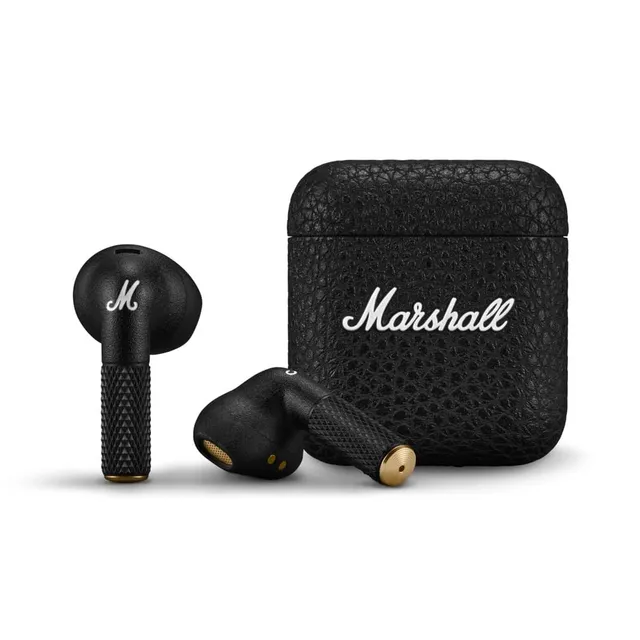
Tribit's FlyBuds 3 ($47.99) pack 100-hour total playtime with the charging case, while the step-up FlyBuds 3 with Bluetooth 5.3 ($59.99) adds IPX8 waterproofing and 110 hours. Marshall's Minor IV ($107.99) counters with multipoint pairing, touch controls, and that unmistakable Marshall fit and finish — but roughly half the total battery. For gym and travel duty, Tribit's numbers are hard to beat; for daily all-day wear with two-device convenience, Minor IV justifies itself.
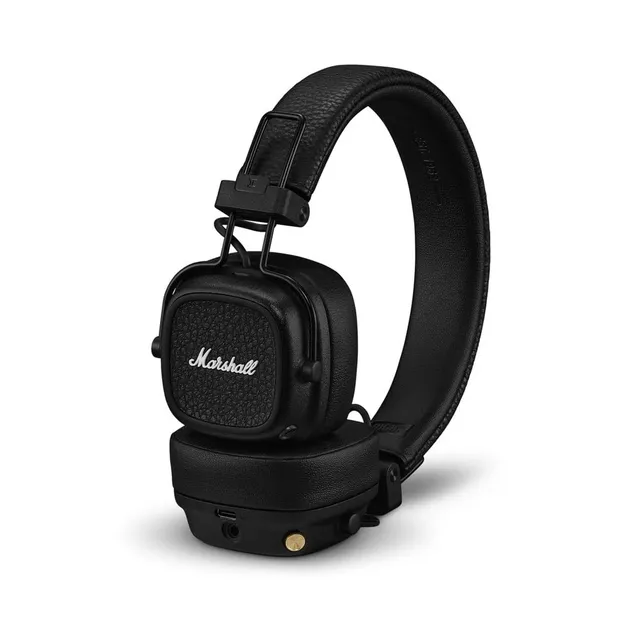
The same story repeats. Tribit's QuietPlus FlyBuds 3 ($71.99) bring noise reduction to the budget tier, while Marshall's Major V ($107.99) offers 100+ hour playtime, wireless charging, and the customizable M-Button — plus foldable, on-ear portability with real brand character. Interestingly, here the premium option also wins the battery spec, which isn't always the case across categories.
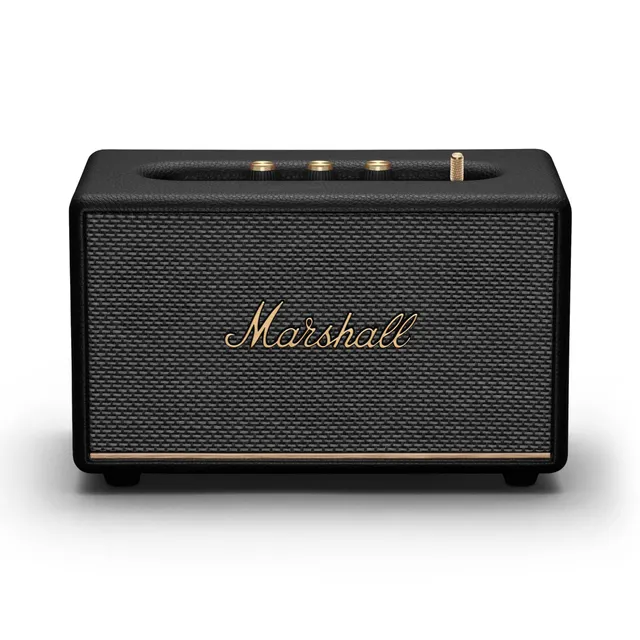
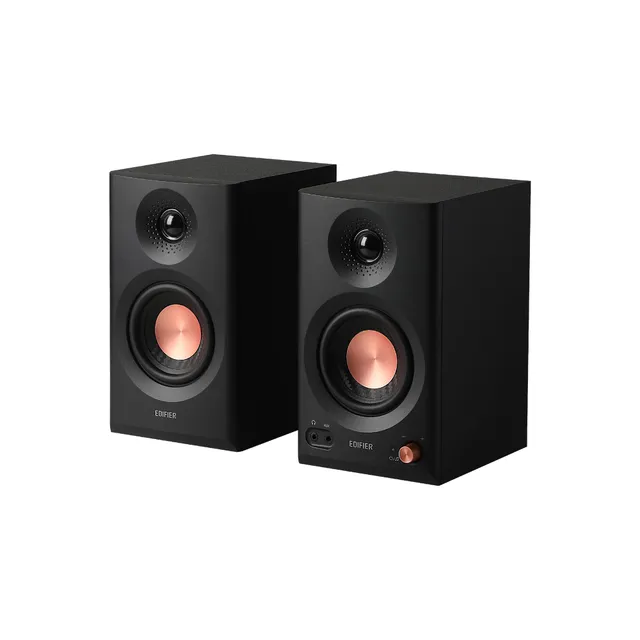
If you're comparing premium vs value for home listening rather than portable use, the calculus shifts. Marshall's Acton III ($271.39) delivers room-filling stereo with real bass and treble controls — our highest-rated home speaker by customer reviews at 4.8/5. On the value side, Edifier's powered monitors like the MR3 ($179.99) bring Hi-Res-certified, flat 52Hz–40kHz response in a true stereo pair — arguably more accurate sound than any single-box portable, at a lower price than the Acton III. That's the pattern worth remembering: value brands win on specs-per-dollar; premium brands win on experience-per-dollar.
Premium versus value isn't a moral question — it's a matching problem. The Marshall Emberton III is objectively the better speaker: fuller 360° stereo sound, smarter low-volume behavior, IP67 durability, longer battery, and a design that justifies its shelf. If you'll use it often and take it places, that $211 is spread thin over years of better listening.
But the Tribit StormBox Mini+ at $47.99 and XSound Plus at $107.99 aren't "cheap alternatives" — they're correct answers for a huge share of real-world use. Podcasts in the kitchen, music at the desk, a speaker that lives in a gym bag or gets handed to a teenager: spending 4x more there buys you polish you may never notice.
Our rule of thumb after this comparison: spend premium where the speaker is central to your day, spend value where it's peripheral. Match the money to the moment, and both tiers will make you happy.
Orders over $45.00 ship free. Otherwise, shipping is $8.00.
Hassle-free returns
SSL encrypted checkout
100% genuine products
Marshall, Tribit, and Edifier speakers with clear specs, honest pricing, and expert guidance before you buy.
Email: support@sonicdenaudio.shop
Address: 1427 Crestwood Avenue, Suite 210, Portland, OR 97205, United States